


How to Choose the Right Needle Holder Instrument: A Complete Buying Guide

A single wrong instrument can turn a simple stitch into a difficult task. The right needle holder instrument gives surgeons better control, improves suturing precision, and helps protect delicate tissue during every procedure. Whether you work in a hospital, dental clinic, surgical center, or veterinary practice, choosing the right instrument can improve surgical outcomes and increase efficiency.
A needle holder is an essential surgical tool used to hold the needle securely during suturing, helping surgeons place precise, controlled stitches. Choosing the right surgical needle holder is important for accuracy, safety, and reliable performance across different procedures.
This buying guide explains how to choose the best needle holder instrument by comparing types, sizes, jaw designs, and materials such as tungsten carbide and stainless steel, so you can select the right tool for your surgical needs.
What Is a Needle Holder Instrument?
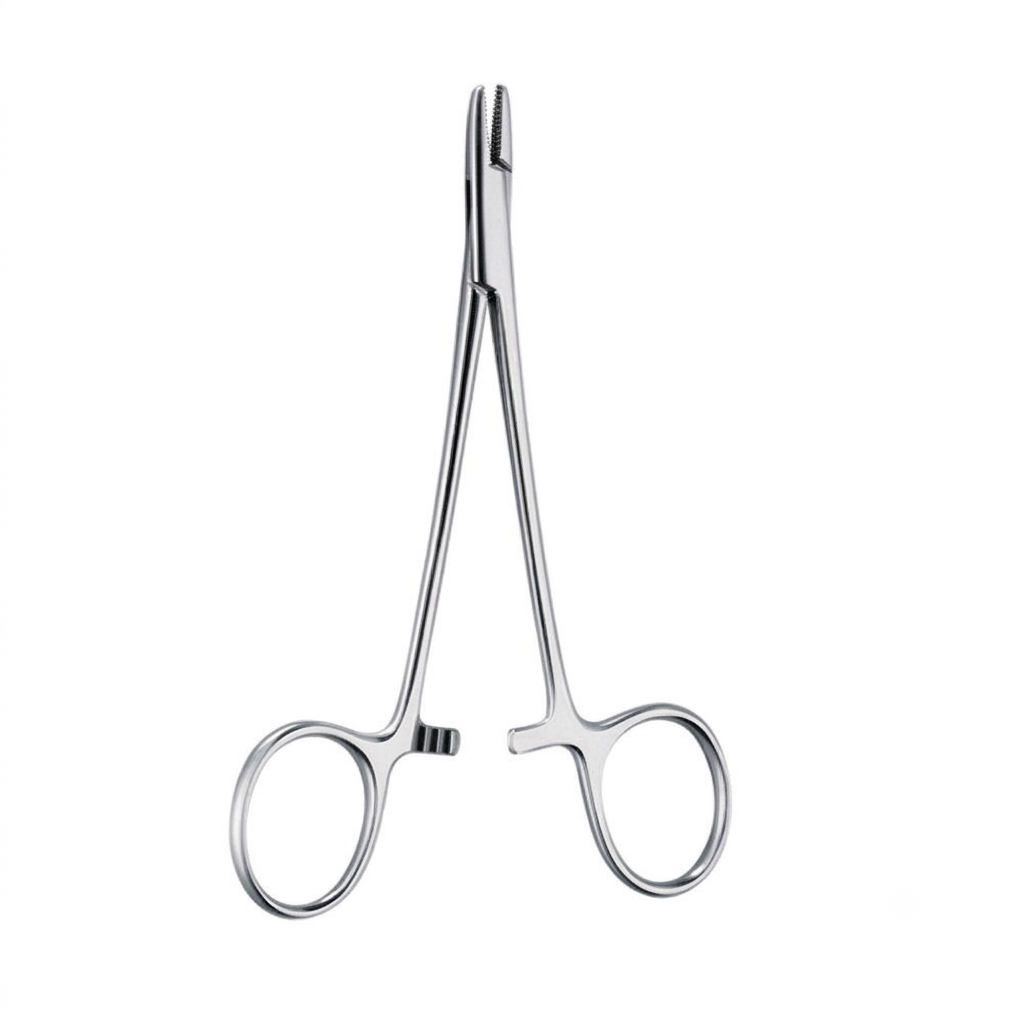
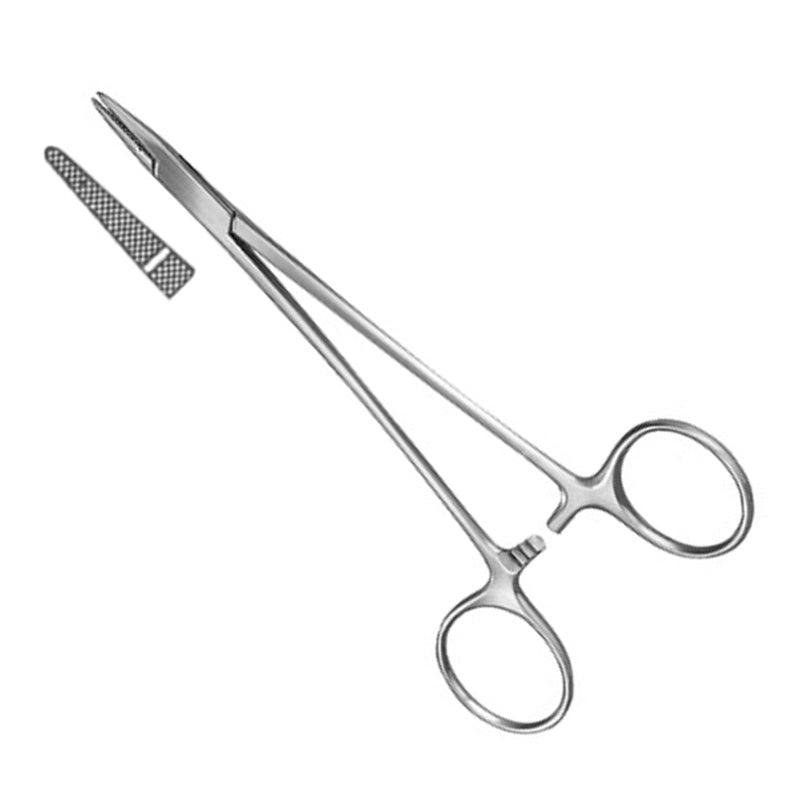
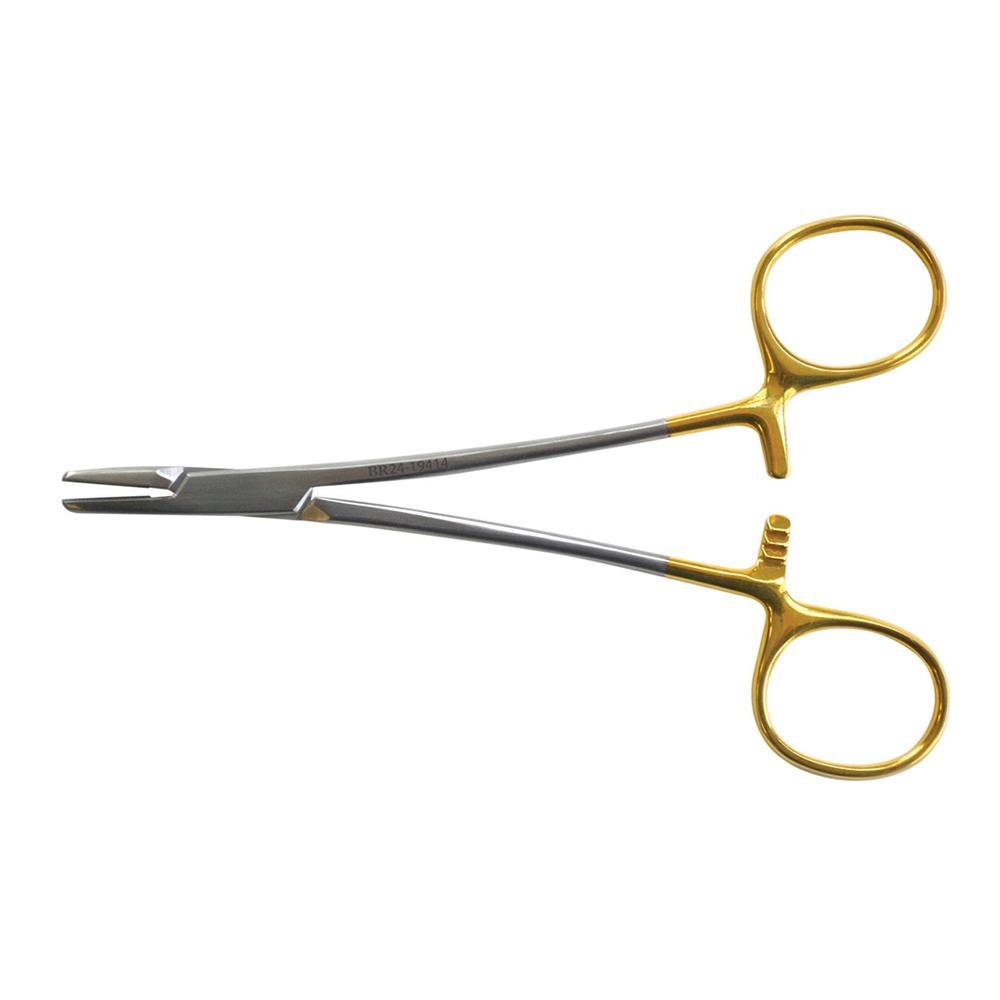
A needle holder instrument, also known as a needle driver or needle holder forceps, is a precision surgical tool designed to hold surgical needles securely during suturing. Unlike standard forceps, it features serrated jaws and a locking ratchet handle that provides a firm, stable grip for accurate stitch placement. High-quality surgical needle holders offer better control, improved precision, and reliable performance across a wide range of medical, dental, and veterinary procedures.
Healthcare professionals use these instruments in:
- General surgery
- Orthopedic surgery
- Plastic surgery
- Cardiovascular surgery
- Dental surgery
- Veterinary surgery
- Gynecological procedures
A high-quality needle holder instrument improves needle control, creates precise sutures, reduces hand fatigue, and supports better surgical outcomes.
Why Choosing the Right Needle Holder Matters
Choosing the right needle holder instrument improves surgical precision, safety, and efficiency. It provides better needle control, supports accurate suturing, reduces tissue trauma, enhances surgeon comfort, and helps complete procedures more efficiently. A high-quality instrument also offers long-lasting performance with proper care.
In contrast, a poor-quality needle holder may slip during suturing, making needle handling more difficult and increasing the risk of tissue damage. Investing in a reliable surgical instrument helps achieve better patient outcomes and consistent surgical performance.
Types of Needle Holder Instruments
Different surgical procedures require different needle holder instruments to ensure precise needle control and efficient suturing. Choosing the right design improves accuracy, reduces hand fatigue, and enhances overall surgical performance.
| Needle Holder Instrument | Best Used For |
|---|---|
| Mayo Hegar Needle Holder | General surgery and routine suturing procedures |
| Olsen Hegar Needle Holder | Suturing with integrated scissors for cutting threads |
| Crile Wood Needle Holder | Fine tissue handling and delicate surgical procedures |
| Halsey Needle Holder | Small needles and delicate suturing applications |
| Ryder Needle Holder | Microsurgery and precision suturing procedures |
| Mathieu Needle Holder | Veterinary and dental surgical procedures |
| Derf Needle Holder | Ophthalmic and microsurgical procedures |
Select the instrument length based on the procedure. Shorter needle holders provide greater precision and control for delicate work, while longer needle holders offer improved access and visibility in deep surgical sites.
Choose the Correct Size
Choosing the correct needle holder length is just as important as selecting the right design. The proper size improves needle control, enhances surgeon comfort, and allows safe, precise suturing for different surgical procedures.
| Needle Holder Material | Main Advantages | Recommended Use |
|---|---|---|
| Surgical Grade Stainless Steel | Corrosion resistant, easy to sterilize, and provides reliable durability | Routine surgical procedures and general suturing applications |
| German Stainless Steel | Premium strength, excellent finish, and long-lasting performance | Frequent professional use in hospitals and surgical centers |
| Tungsten Carbide (TC) Inserts | Superior needle grip, reduced slipping, and enhanced wear resistance | Precision suturing and high-volume surgical procedures |
Shorter needle holder instruments provide greater precision and control when working in confined areas, while longer needle holders offer better reach and visibility for deep surgical procedures. Selecting the appropriate length improves surgical efficiency and supports better patient outcomes.
Select the Right Jaw Type
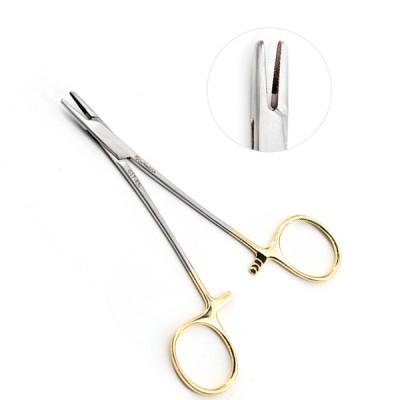
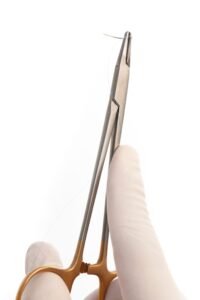
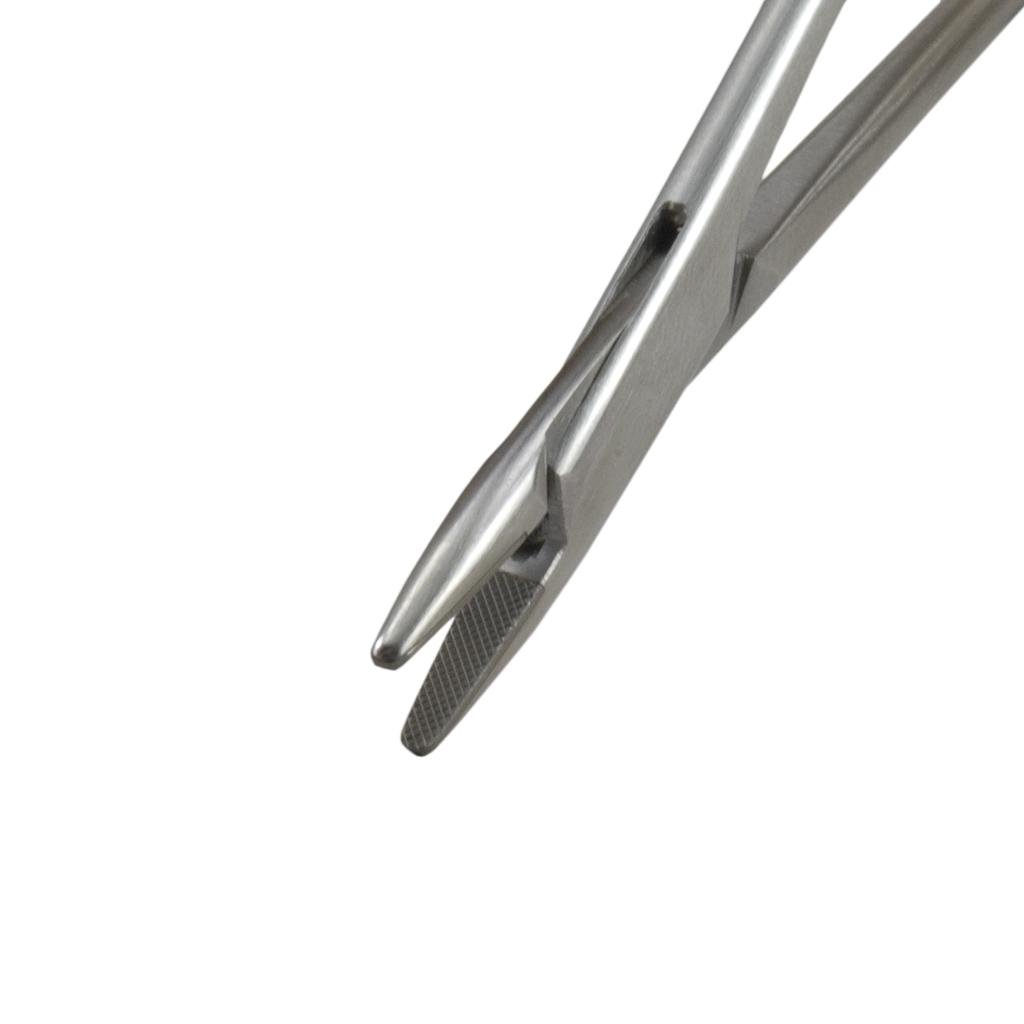
A secure jaw grip minimizes needle slipping, improves stitching accuracy, and helps protect delicate tissue during surgery.
Tungsten Carbide Jaws
Tungsten carbide (TC) is an extremely hard, wear-resistant material bonded to the jaws of a needle holder. It provides a stronger grip, reduces needle slipping, and lasts much longer than standard stainless steel jaws, making it the preferred choice for precise suturing.
Benefits include:
- Stronger, more secure needle grip
- Superior durability and wear resistance
- Longer instrument lifespan
- Reduced needle slipping for precise suturing.
- Improved control during delicate procedures
Stainless Steel Jaws
These are more affordable but wear faster with frequent use. If your practice performs surgery every day, a Tungsten Carbide Needle Holder is usually the better investment.
Consider Handle Design
The handle design affects comfort, control, and hand fatigue during suturing. Choosing an ergonomic handle that fits comfortably in your hand helps improve precision, especially during long surgical procedures.
Common handle styles include:
Ring Handle
- Traditional and most widely used design.
- Provides excellent control and precision during suturing.
Gold Ring Handle
- Indicates tungsten carbide (TC) inserts in most needle holders.
- Offers a stronger needle grip and enhanced durability.
Palm Grip
- Ergonomic design for greater comfort.
- Reduces hand fatigue during long or repetitive surgical procedures
Locking Mechanism Matters
A reliable locking mechanism ensures the needle stays securely in place throughout the procedure. Choose a needle holder with a smooth, secure ratchet lock that prevents accidental opening, releases easily, and requires minimal hand effort. This improves safety, precision, and comfort during suturing.
Check the Instrument Material
The material of a needle holder directly affects its durability, corrosion resistance, and overall performance. Choose instruments made from high-quality surgical-grade stainless steel or German stainless steel. For maximum grip and longer service life, select models with tungsten carbide (TC) inserts.
| Needle Holder Material | Main Advantages | Recommended Use |
|---|---|---|
| Surgical Grade Stainless Steel | Corrosion resistant, easy to sterilize, and provides reliable durability | Routine surgical procedures and general suturing applications |
| German Stainless Steel | Premium strength, excellent finish, and long-lasting performance | Frequent professional use in hospitals and surgical centers |
| Tungsten Carbide (TC) Inserts | Superior needle grip, reduced slipping, and enhanced wear resistance | Precision suturing and high-volume surgical procedures |
Match the Needle Holder to the Procedure
Different surgeries require different instruments.
| Surgical Procedure | Recommended Needle Holder | Why It’s Recommended |
|---|---|---|
| General Surgery | Mayo Hegar Needle Holder | Versatile design for routine suturing and general surgical applications |
| Plastic Surgery | Crile Wood Needle Holder | Fine jaws provide precise control for delicate tissue handling |
| Dental Surgery | Mathieu Needle Holder | Spring handle design allows quick and precise suturing |
| Cardiovascular Surgery | Ryder Needle Holder | Ideal for delicate vascular procedures requiring high precision |
| Eye Surgery | Derf Needle Holder | Lightweight design with fine tips for microsurgical procedures |
| Veterinary Surgery | Olsen Hegar Needle Holder | Combines a needle holder and scissors for improved efficiency |
Selecting the correct model improves precision and efficiency.
Ensure Proper Sterilization Compatibility
Choose a needle holder that is fully autoclavable, corrosion-resistant, and designed for easy cleaning and repeated sterilization. High-quality instruments maintain their performance after multiple sterilization cycles, helping ensure patient safety, prevent contamination, and provide reliable long-term use.
Choose an Ergonomic Design
An ergonomic needle holder instrument improves comfort, control, and precision during suturing. Features such as a balanced design and comfortable grip help reduce hand and wrist fatigue, allowing surgeons to work more efficiently.
This is especially beneficial during long or repetitive procedures, where improved ergonomics enhance accuracy, reduce strain, and support consistent performance in busy hospitals and surgical centers.
Quality Certifications to Look For
Before purchasing a needle holder instrument, verify that the manufacturer meets recognized quality standards such as ISO 13485, CE Certification, FDA Registration (where applicable), and TGA Approval (Australia). These certifications indicate that the instruments are manufactured under strict quality controls, ensuring consistent performance, patient safety, and long-term reliability.
Common Buying Mistakes
Choosing the right needle holder instrument is only part of the process. Avoiding common buying mistakes and following proper maintenance practices will help extend the instrument’s lifespan and ensure consistent surgical performance.
Care & Buying Tips
To maximize the performance and lifespan of your needle holder instrument, avoid these common mistakes and follow proper maintenance practices:
- Avoid buying based only on price.
- Choose the correct size with quality jaws.
- Select certified, ergonomic instruments from trusted suppliers.
- Clean, dry, and lubricate the instrument after each use.
- Inspect the ratchet lock and replace worn TC inserts when needed.
- Store in a clean, dry surgical tray.
How to Choose the Right Vendor
The quality of your needle holder instrument depends on the manufacturer behind it. Choose a Professional surgical instrument manufacturer that offers:
- Surgical grade stainless steel and tungsten carbide instruments
- CE, ISO, or other recognized certifications
- Consistent quality control
- A wide range of needle holder instruments
- Product warranty and reliable customer support
A reliable manufacturer ensures durable, high-performance instruments for consistent surgical results.
Frequently Asked Questions
Everything you need to know about choosing and using surgical needle holders.
01 What is the best needle holder instrument? +
The best choice depends on your procedure. Mayo Hegar is widely used for general surgery, while Olsen Hegar is ideal when scissors are needed during suturing.
02 Why choose tungsten carbide needle holders? +
They provide better grip, greater durability, and longer service life than standard stainless steel models.
03 How long does a surgical needle holder last? +
With proper maintenance, a premium Tungsten Carbide Needle Holder can last for many years in regular clinical use.
04 Can needle holders be sterilized? +
Yes. High-quality surgical needle holders are fully autoclavable and designed for repeated sterilization.
Conclusion
Choosing the right needle holder instrument is essential for safe, precise, and efficient suturing. The ideal needle driver or needle holder forceps should offer the correct size, jaw design, material quality, and ergonomic grip to improve control, reduce hand fatigue, and support better surgical outcomes. Whether selecting a tungsten carbide needle holder or a standard surgical needle holder, prioritize durability, certifications, and suitability for your procedures to ensure reliable performance and long term value.